Why Is My Tap Dripping? Causes, Fixes and When to Call a Plumber
A dripping tap is usually caused by a worn washer or O-ring, and in a coastal home it's a small repair that only gets worse with time. At Flushed Away Plumbing & Civil, we fix leaking taps in homes across Hervey Bay, from Torquay and Scarness to Urangan and Eli Waters. Salt air is tough on tapware here. This guide covers why taps drip, how to handle the simple fixes yourself and when it's worth calling a licensed plumber.
Key Takeaways
- Most dripping taps come down to a worn washer or a perished O-ring, and both are usually simple to replace with basic tools.
- Always turn off the water at the isolation valve under the sink, or at the water meter, before taking a tap apart.
- Salt air on the Fraser Coast speeds up corrosion of tap fittings, so coastal homes tend to see leaking taps more often.
- Mixer taps usually need a new cartridge rather than a washer. Seized or corroded taps are best left to a professional.
- If the fix doesn't work or you'd rather not risk it, call us on 0437 200 839 for a free quote (Monday to Friday, 7am to 5pm).
Why Your Tap Is Dripping (And Why You Shouldn't Ignore It)
A tap drips when a seal inside it has worn out and can no longer hold back water pressure once the handle is turned off. It might only be a drop every few seconds, but it carries on day and night, and that wasted water ends up on your bill.
Where the water is coming from tells you which part has failed:
- A drip from the spout when the tap is off usually points to a worn washer or a damaged valve seat inside the tap body.
- Water around the base or under the handle while the tap is running suggests a failed O-ring, a loose fitting or a cracked cartridge.
- Damp under the sink may be the tap connection or a flexible hose rather than the tap itself.
Hervey Bay's salt air works against every rubber seal and metal surface in your plumbing. Washers dry out and crack, brass valve seats pit and corrode, and chrome plating lifts. That's why taps in homes near the Esplanade often need attention sooner than you'd expect.
Leaving a drip for later is where the costs start. Constant moisture around a sink can stain basins, swell benchtops and cabinetry, and encourage mould inside the cupboard. A cheap washer swap now can save you replacing a vanity or repairing a water-damaged wall later.
Common Causes of a Leaking or Dripping Tap
A leaking tap is almost always caused by one of four things: a worn washer, a perished O-ring, a corroded valve seat or a failed cartridge. Knowing which one you're dealing with saves you buying parts you don't need.
Worn tap washer
Older compression taps, the kind with separate hot and cold handles that take a few turns to close, use a rubber washer at the base of the spindle. It presses onto a metal seat to stop the flow. Over time the washer flattens, cracks or gets cut by a rough seat, and you get a slow, steady drip from the spout.
Perished or split O-ring
An O-ring is a small rubber seal around the spindle or at the base of the tap body. When it wears, water weeps out around the handle or the base while the tap is running, rather than dripping from the spout. Heat, humidity and salt air all make rubber perish faster in coastal homes.
Corroded fittings and valve seats
A pitted or rough valve seat can keep a tap leaking even after you fit a brand-new washer, because no seal can sit flat against it. Corroded jumper valves and spindle threads are common in coastal suburbs like Pialba, Torquay and Urangan. High water pressure can also force water past seals that are already weakened.
Cartridge and mixer taps
Most single-lever mixer taps use a ceramic cartridge instead of a washer. Cartridges are durable, but they can crack, clog with grit or fail when the housing corrodes. A worn cartridge shows up as drips, uneven flow or trouble mixing hot and cold water.
- Quarter-turn and half-turn taps often need a new spindle or cartridge rather than a washer. Getting the right part first time saves trial and error, and that's where a plumber can help.
Step‑by‑Step: How to Fix a Dripping Tap Yourself
You can fix a dripping compression tap yourself by turning off the water, removing the handle and spindle, and replacing the washer and O-ring. In Queensland, homeowners can do minor jobs like changing a tap washer or O-ring. Replacing the whole tap or altering pipework is regulated plumbing work. If you're unsure, read through the steps before you decide.
Safety first
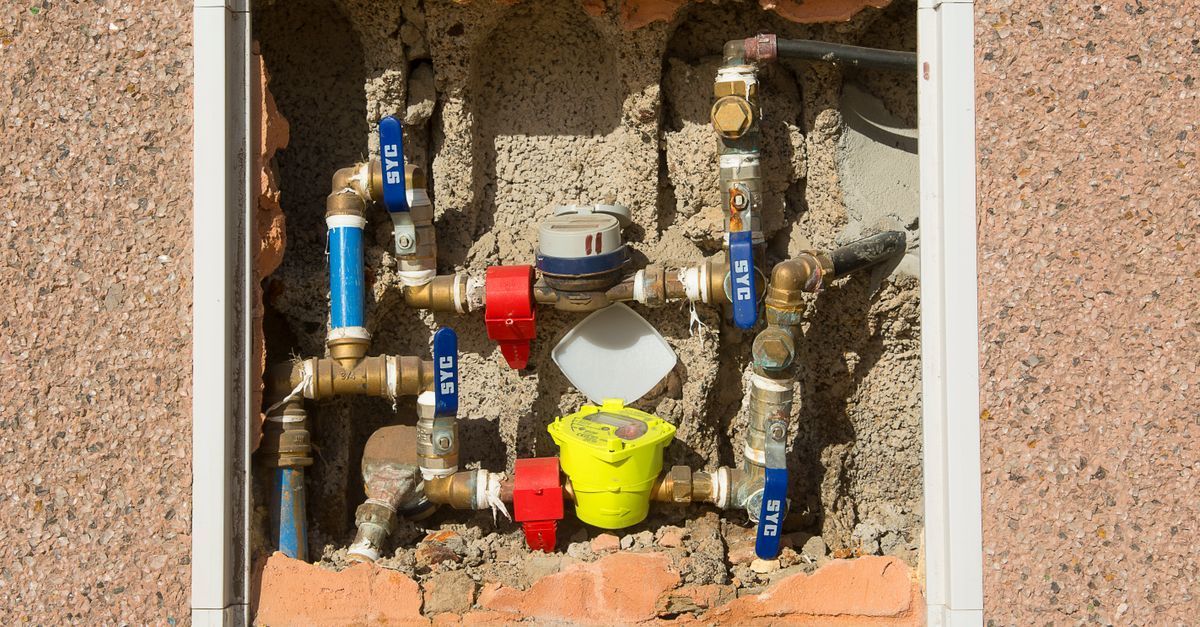
Turn off the water at the isolation valve under the sink if there is one. If not, turn it off at the water meter, usually near your front boundary. Then open the tap fully to drain the line and release any remaining pressure.
Gather your tools and materials
- Adjustable spanner
- Flathead and Phillips screwdrivers
- Long-nose pliers
- Food-safe silicone plumber's grease
- Replacement washer and O-ring to suit your tap
- A small towel or rag to protect the chrome and catch small parts
A washer that's the wrong size will leak just like a worn one, so take the old washer to the hardware store if you're not sure.
Remove the tap handle
Gently prise off the small hot or cold indicator cap on top of the handle. Remove the screw underneath and lift the handle off the spindle. If there's a decorative shroud over the bonnet nut, unscrew it or slide it off.
Remove the spindle
Wrap the spanner jaws in a rag to protect the chrome, then turn the bonnet nut anticlockwise and pull the spindle straight out. Note where the old washer and O-ring sit so the new parts go back in the same place.
Swap the washer
Remove the old washer from the base of the spindle. Clean any grit, scale or corrosion off the valve seat inside the tap body, because a rough seat will chew through a new washer quickly. Fit the new washer and secure it.
Replace the O-ring
Ease the old O-ring off the spindle and clean out the groove. Roll the new one into place with your fingers, making sure it sits flat and untwisted. A twisted ring will tear when you reassemble the tap.
Reassemble and test
Apply a thin coat of plumber's grease to the washer, O-ring and spindle threads. Refit the spindle, tighten the bonnet nut by hand and then snug it with the spanner. Firm is enough; don't force it. Refit the handle, screw and cap.
Turn the water back on slowly with the tap closed. Check around the spout, the base and under the sink, then open and close the tap a few times to make sure the drip has stopped.
If things are stuck or corroded
Stop if the bonnet nut won't budge, or if a fitting feels like it might round off or crack the basin. Forcing corroded parts can snap fittings inside the wall or damage an expensive basin or benchtop. At that point, putting the tools down and calling a licensed plumber is the cheaper option.
When to Call a Professional Plumber in Hervey Bay
Call a licensed plumber when a tap won't stop dripping after a new washer, when fittings are badly corroded, or when the job goes beyond a simple washer or O-ring change. Common signs it's time to pick up the phone:
- Water is leaking into the cabinetry, with swelling, warping or mould
- The tap still won't shut off fully after you've replaced the washer and O-ring
- Nuts are rounding off or parts feel brittle from corrosion
- It's a mixer or thermostatic tap that needs a specific cartridge
- You want the whole tap replaced, pipework changed or new isolation valves fitted. This is regulated work in Queensland and needs a QBCC licensed plumber
Older galvanised pipework and seized fittings that might snap in the wall are where the risk outweighs the savings of doing it yourself.
Flushed Away Plumbing & Civil is locally owned and operated in Hervey Bay, with more than 15 years of experience. We're QBCC licensed and fully insured, and we know how salt air affects fittings across the Fraser Coast. There's no call-out fee and quotes are free Monday to Friday, 7am to 5pm. If a tap you've already repaired has started dripping again, give us a call on 0437 200 839.
Looking After Your Taps So They Don't Start Dripping Again
A little regular care keeps repaired taps working well and stops new drips starting. These habits make the biggest difference in Hervey Bay homes:
- Turn taps off firmly, not forcefully. Over-tightening squashes washers and O-rings, so they flatten and split sooner. Close the handle until the water stops, then leave it.
- Do a yearly check. Test every tap in the kitchen, bathrooms and laundry, plus the outdoor taps, for drips, stiffness or discolouration. Homes close to the water deserve extra attention.
- Check garden taps each summer. Outdoor taps cop the most sun, rain and salt, so check them at the start and end of the season.
- Wipe down surfaces. Rinse salt and mineral deposits off tap bodies and bases with a damp cloth. Keep an eye on the silicone around the base for cracks where water can creep in.
- Book periodic maintenance. Our plumbing maintenance in Hervey Bay covers this kind of preventive work, picking up worn tap washers, seals and fittings before they fail.
Frequently Asked Questions About Dripping Taps
How long can I leave a dripping tap before fixing it?
Not long. A slow drip wastes water every day and can leave permanent rust or scale marks in basins. Constant damp around or beneath a tap can also swell benchtops and grow mould inside the cupboard. Aim to deal with it within a few days, either with a washer change yourself or by booking a plumber.
Is it safe to fix a leaking tap if I've never done plumbing before?
A basic washer or O-ring change is well within reach if you turn the water off fully, work slowly and stop if something feels wrong. Complex mixer taps, older or expensive fittings, and taps that are hard to turn even with tools are a different story. With those, a licensed plumber is often cheaper in the long run than breaking a fitting that's hard to replace.
Why do my outdoor taps leak more often than indoor ones?
Outdoor taps around Hervey Bay are exposed to sun, rain and salt air, which harden rubber seals and corrode metal parts faster. If the tap body is heavily corroded or loose in the wall, get a plumber to check whether the fitting behind the wall is still sound.
Can a dripping mixer tap be fixed with a washer?
Usually not. Most mixer taps use a ceramic cartridge, so the fix is a replacement cartridge. There are many cartridge types, so take the old one or a clear photo to a plumbing supplier, or have a plumber identify and fit it.
What should I have ready when I call a plumber about a leaking tap?
Note where the leak is (spout, base or under the sink), what type of tap it is (separate pillar taps, a single-lever mixer or a quarter-turn model), how long it's been leaking and whether it's on the hot or cold side. With those details, Flushed Away Plumbing & Civil can bring the right parts and fix the leaking tap on the first visit.